
Wellness
Building Sustainable Daily Routines for Long-Term Male Vitality

Living in a tiny apartment presents unique challenges-and opportunities-for creating a space that feels comfortable, stylish, and deeply functional. Whether downsizing by choice or necessity, residents increasingly seek solutions that maximize limited square footage while supporting a modern, flexible lifestyle. This guide explores proven methods, design philosophies, and practical steps for achieving a functional design lifestyle tailored specifically to small homes and apartments.
One of the most transformative steps in designing a functional tiny apartment is investing in multipurpose furniture . These pieces perform more than one role, making the most of every inch. For example, a wall bed with an integrated sofa lets you switch between sleeping and lounging modes, freeing up substantial floor space during the day. Some wall beds even include built-in bookcases or shelving for added storage, letting you tuck away the bed when not in use and create an open, relaxing environment [1] .
Ottomans with hidden storage double as seating and coffee tables, while modular sofas can be rearranged to suit entertaining, working, or relaxing. Modular furniture adapts to your changing needs: a sectional seating system can be split into smaller chairs or combined into a guest bed, offering flexibility as your lifestyle evolves [2] .
To get started, assess your most common daily activities and select versatile furniture that can shift roles with minimal effort. Modular shelving units, foldable dining tables, and expandable desks can all help you adapt your space efficiently. Many furniture retailers now specialize in these solutions, so consider visiting local showrooms or searching online for “modular furniture for small apartments” to explore your options.
Storage is a persistent challenge in tiny apartments, but creative solutions abound. First, utilize vertical space by installing wall-mounted shelves, pegboards, or hooks. Vertical organizers keep items off the floor and make use of otherwise wasted wall areas. Built-in cabinets and shelving can be custom fitted to odd corners or above doorways, providing extra room for books, kitchen supplies, or clothing [1] .
Next, seek out furniture with integrated storage. Beds with built-in drawers, sofa chaises with lift-up compartments, and storage benches offer hidden spaces for linens, seasonal clothing, or hobby supplies. Stylish baskets and bins can be placed in open shelving, creating an organized yet visually appealing system. If closet space is limited, consider adding portable wardrobes or garment racks to maximize flexibility.
For those looking to implement these ideas, start by decluttering and categorizing your belongings. Identify items you use daily versus those you can store seasonally. Invest in clear, labeled bins and keep high-use items within easy reach. To find products, search for “hidden storage furniture” or “vertical storage solutions for apartments” through major home retailers or specialty stores.
Studio and small apartments often lack defined rooms, but you can shape your space using room dividers that double as storage. Open shelving units, for instance, can act as partitions while keeping light flowing through the space. Freestanding screens or curtains offer privacy for sleeping areas without permanently cutting off natural light [3] .
Sliding doors are another excellent solution for creating distinct zones. Unlike traditional doors that require swing space, sliding options-especially glass or translucent panels-maintain a sense of openness while providing separation when needed [2] .
To implement these strategies, measure your space carefully and determine where extra privacy or separation is most beneficial. Consider open-back bookshelves, lightweight screens, or ceiling-mounted curtains to delineate sleeping, working, and living areas. If you rent your apartment, look for tension-rod room dividers or freestanding options that do not require permanent installation.
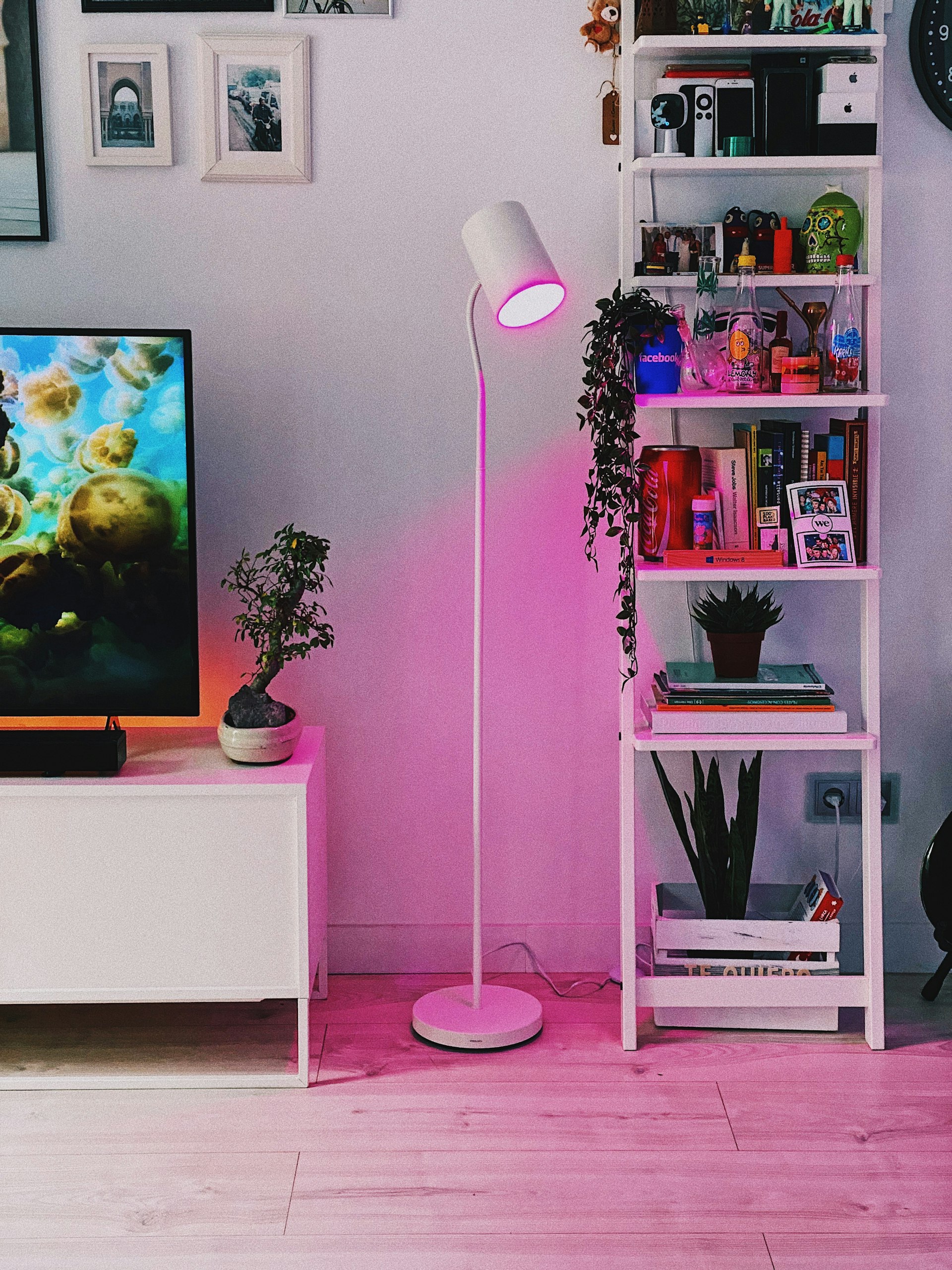
Lighting plays a vital role in making small spaces feel larger and more inviting. Maximize natural light by keeping window areas unobstructed and using sheer curtains. Mirrors strategically placed opposite windows can reflect light and visually expand the room. For artificial lighting, layer sources using ceiling fixtures, floor lamps, and under-shelf LEDs to create depth and flexibility [3] .
Color can also shape how large a space feels. While light, neutral tones help rooms appear open, a bold accent wall or colorful decor elements can inject personality and energy without overwhelming the senses [5] . When selecting a color palette, consider the mood you want to create and how it coordinates with your furnishings. Limiting yourself to two or three main colors can help maintain a cohesive, uncluttered look.
For best results, review your apartment’s natural light throughout the day and adjust window treatments or add supplemental lighting as needed. Test paint samples in different areas before committing to a bold hue. When in doubt, consult with a local interior designer or visit home improvement stores for guidance on color and lighting strategies.
Finally, functional design is about more than maximizing space-it’s about creating a home that reflects your unique lifestyle and changes with you. Personalize your apartment with art, textiles, and accessories that bring you joy without adding clutter. Use decorative baskets, floating shelves, or wall-mounted organizers to showcase favorite items while keeping surfaces tidy.
As your needs shift-perhaps you start working from home, welcome a pet, or host more guests-revisit your layout and storage solutions. Modular and multipurpose furniture makes it easier to adapt, while ongoing decluttering ensures your apartment remains functional and enjoyable.
If you seek professional help, consider consulting a certified interior designer who specializes in small spaces. Many designers offer virtual consultations and can provide tailored advice based on photos or virtual tours of your apartment. To find reputable professionals, search for “small space interior designer” in your city or contact local design associations for referrals.
Adopting a functional design lifestyle in a tiny apartment is about thoughtful choices and incremental improvements. By selecting multipurpose furniture, maximizing storage, using room dividers for flow and privacy, leveraging lighting and color, and personalizing your space, you can create a home that feels much larger than its footprint suggests.

If you’re ready to start, begin with a single area-like your entryway or bedroom-and apply one or two of these strategies. Over time, as you see the results, you can expand your efforts throughout your apartment. Remember, there is no single “right” way to design a small space; the best results come from solutions tailored to your own habits and preferences.
MORE FROM hotondeals.com