site-logo Site Logo

Unlocking Calm and Creativity: Integrating Art and Mindfulness Into Everyday Life

Article avatar image

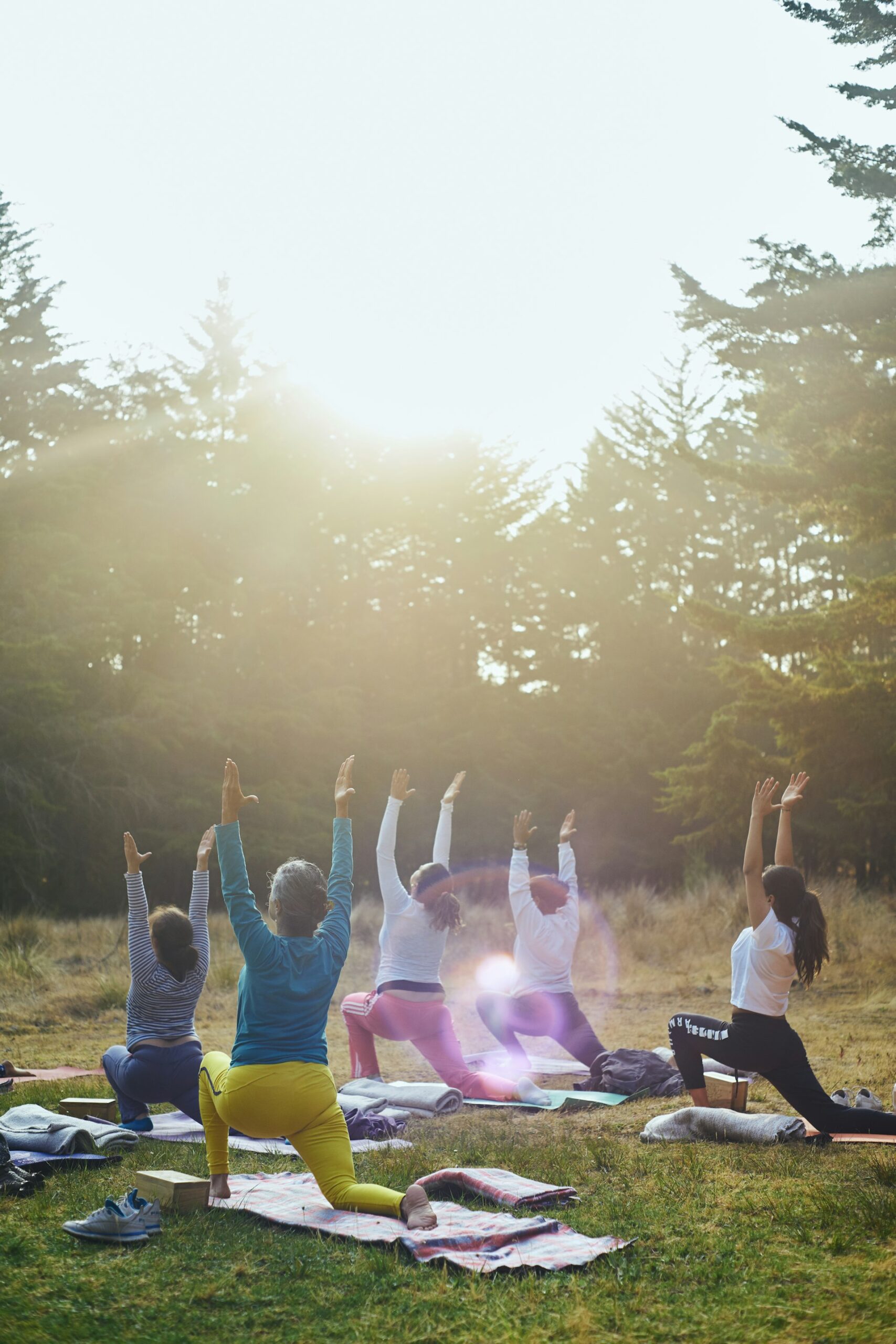
Photo by Chris Wong on Unsplash

Introduction: The Synergy of Art and Mindfulness

In a world moving at breakneck speed, many people are searching for ways to quiet the mind and cultivate a sense of calm. Art and mindfulness together offer a powerful, accessible approach to achieving this balance. By combining creative expression with present-moment awareness, individuals can experience reduced stress, improved emotional resilience, and a transformation in how they approach daily life. [1]

Article related image

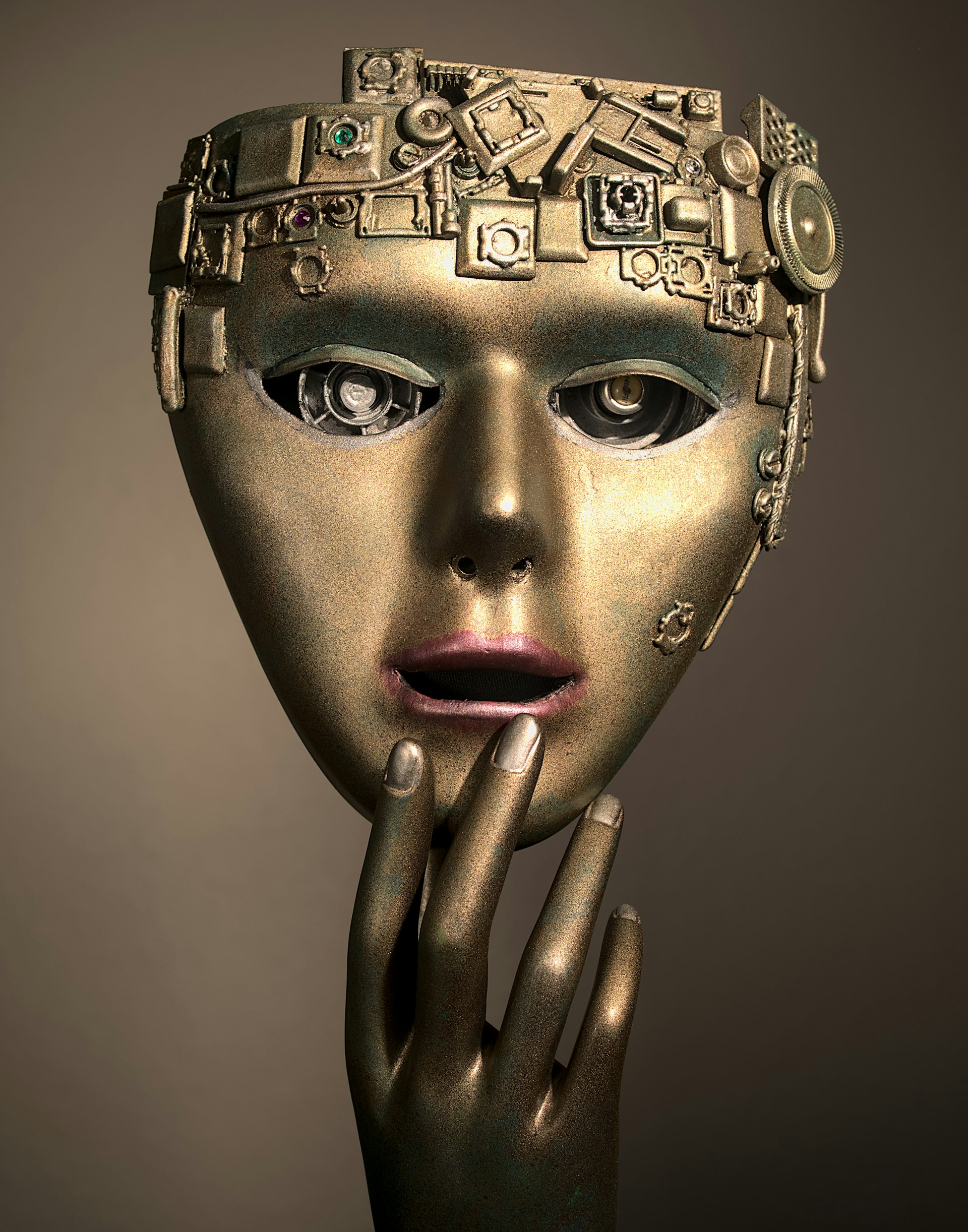
Photo by Eugenia Pan’kiv on Unsplash

Understanding Mindfulness and Its Everyday Impact

Mindfulness means focusing attention intentionally on the present moment, letting go of distractions and judgments. This mental state is rooted in ancient traditions but has evolved into a universal tool for well-being. Practicing mindfulness makes people more aware of their thoughts, feelings, and physical sensations, which can reduce anxiety and improve focus. [4] Today, mindfulness is used in healthcare, education, and business to enhance quality of life and resilience.

Why Art is a Natural Vehicle for Mindfulness

Creative activities such as drawing, painting, sculpting, or even coloring can promote mindfulness by drawing attention to the present. When people immerse themselves in the process of making art-regardless of skill level-they engage both the mind and body, achieving a meditative state that is both relaxing and energizing. [1] Art is not just a pastime; it is a pathway to self-discovery, emotional healing, and personal growth.

Benefits of Integrating Art and Mindfulness Into Daily Life

The rewards of combining art and mindfulness are varied, touching physical, mental, and emotional domains:

  • Stress Reduction: Just 45 minutes of art-making can significantly lower cortisol levels, the hormone linked to stress. [1]
  • Improved Focus and Problem-Solving: Regular creative activity enhances concentration and cognitive flexibility. [2]
  • Emotional Regulation: Mindful art provides a safe outlet for processing complex emotions and fosters self-compassion. [3]
  • Social and Relational Benefits: Creative expression can build emotional intelligence and improve communication through non-verbal channels. [1]
  • Physical Health: Some research suggests that regular mindfulness-based art practice can even boost the immune system. [2]

How to Practice Mindfulness Through Art: Step-by-Step

Getting started with mindful art does not require any prior experience or artistic talent. The emphasis is on the
process
, not the end result. [3] Here’s how you can begin:

  1. Set Your Intention: Before starting, take a moment to breathe deeply and clarify your aim-whether it’s relaxation, self-reflection, or simply enjoyment.
  2. Gather Materials: Use whatever you have on hand: pencils, markers, paints, clay, or even digital tools.
  3. Focus on the Process: Direct your attention to the sensations involved in creating-notice the feel of the brush, the colors blending, or the movement of your hand.
  4. Observe Your Thoughts: As you work, notice thoughts or emotions that arise. Acknowledge them without judgment and gently bring your focus back to the artwork.
  5. Reflect: Once finished, take a few moments to appreciate your effort and reflect on any feelings or insights that emerged during the activity.

If you feel uncertain about where to start, community art centers, local wellness organizations, and online platforms often offer guided mindful art classes. You can search for “mindful art workshops near me” or “online mindful art classes” to find opportunities in your area.

Real-World Examples: Mindful Art Practices in Action

Many artists and non-artists alike have adopted mindful art routines to enrich both their creative pursuits and everyday lives:

  • Daily Meditation Before Art: Professional artists such as Hiroshi Sugimoto begin their studio work with brief meditation, cultivating clarity and patience. [1]
  • Mindful Preparation: Arranging art materials and preparing the workspace with intention can serve as a grounding ritual.
  • Conscious Transitions: Pausing for a few moments between creative phases or after completing a piece to acknowledge the experience builds self-awareness.
  • Observation Exercises: Spending time observing nature or objects before drawing them hones attention and fosters a deeper connection to the present moment.

Alternatives and Adaptations for Different Needs

Mindful art can be adapted to suit all ages and abilities. For those who find traditional meditation challenging, creative practice can offer a less intimidating entry point to mindfulness. [2] Some people may prefer group activities, such as collaborative murals or community art projects, while others may find solitary sketching or journaling more restorative. Even simple activities like mindful coloring or arranging objects can foster presence and calm.

Overcoming Common Challenges

It is normal to encounter obstacles when starting mindful art practices. These may include:

  • Self-Judgment: Remember, the goal is not to produce a masterpiece but to experience the present moment. Embrace imperfections as part of the process. [3]
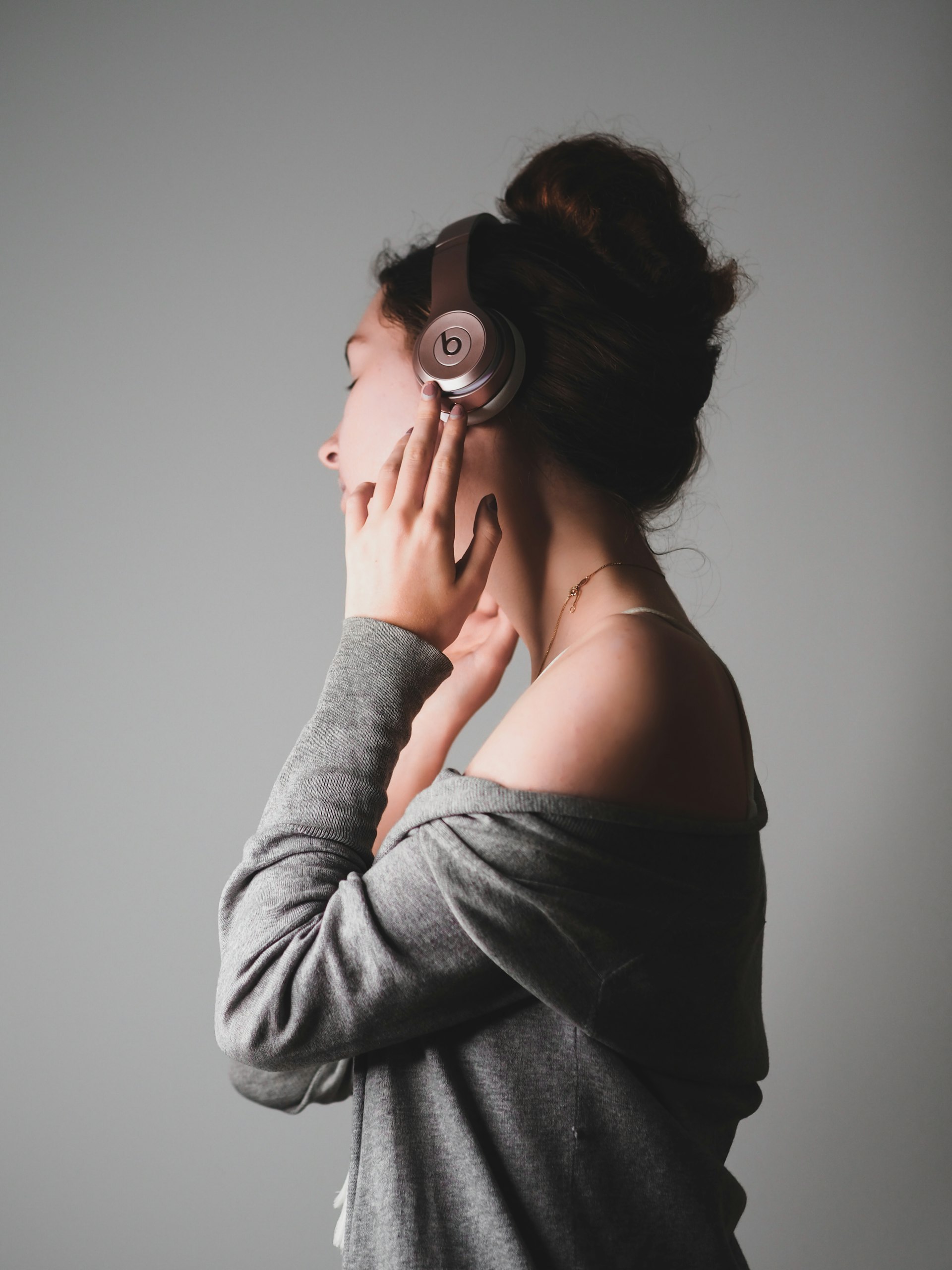
  • Distractions: Try setting aside a specific time and quiet space for your mindful art sessions. Using headphones with calming music can also help minimize interruptions.
  • Lack of Time: Even five minutes of doodling or mindful observation can offer benefits. Consistency matters more than duration. [2]

Bringing Mindfulness and Art Into Your Everyday Routine

Integrating mindful art into daily life can be as simple as:

  • Starting your day with a brief sketch or creative journaling session.
  • Taking mindful breaks at work to doodle or color.
  • Using art as a family activity to foster connection and emotional awareness.
  • Reflecting on your creative process in a journal at the end of each week.

For additional guidance, you may want to connect with local art therapists, mental health professionals, or search for community-based mindfulness programs. Many organizations and wellness centers offer workshops and resources tailored to diverse needs. If you are seeking professional support, consider searching for “licensed art therapist” or contacting your local mental health association for referrals.

Conclusion: Empowering Well-Being Through Creative Presence

Combining art and mindfulness is not about creating perfect works, but about embracing the present moment and nurturing your well-being. By integrating these practices, you can access new levels of calm, creativity, and resilience-transforming everyday routines into opportunities for growth and fulfillment.

References

  1. Cosimo Art (2023). Mindfulness and Art: How Creativity Calms the Mind.
  2. Thi Doan Art (2023). Unique Benefits of An Art-Based Mindfulness Practice.
  3. Pinot & Picasso (2023). What is Mindful Art? The Benefits and Engaging Activities.
  4. East End Arts (2023). Colorful Calm: The Connection Between Art and Mindfulness.
Nurturing Every Aspect of Your Being: A Guide to Holistic Well-Being Practices
How Music Nurtures Mental Wellness: Exploring Its Quiet, Transformative Effects
Building Sustainable Daily Routines for Long-Term Male Vitality
Mental Health Strategies for Remote Workers: Proven Ways to Combat Burnout and Isolation
Digital Detox for Mental Clarity: Unplug to Reclaim Your Focus and Peace
Unlocking the Mind-Body Connection: Powerful Healing Practices for Total Wellness
Mindfulness Practices for Emotional Balance: Proven Techniques to Cultivate Inner Calm
The Critical Importance of Employee Wellness Programs for Modern Workplaces
Understanding RLJ Entertainment on Roku: Ownership, Access, and Opportunities
Proven Lifestyle Changes to Effectively Manage Lymphedema
Proven Ways to Maintain a Healthy Lifestyle: Practical Steps for Lasting Wellbeing
A Complete Guide to the Home Alone Franchise: Number of Films, History, and Viewing Options