
Wellness
Understanding the Impacts of Sustained Moderate-Intensity Training on Long-Term Wellness

When working with limited square footage, every piece of furniture must earn its place. Multi-functional pieces are non-negotiable, as they serve multiple purposes without taking up extra space. Sofa beds are a classic example, offering a comfortable seating area during the day and a full-sized bed at night. Look for models with built-in storage under the cushions to stow extra linens or blankets, eliminating the need for a separate chest. Extendable dining tables are another essential; they can be folded down to a slim console against the wall when not in use, then expanded to accommodate guests for meals or game nights. Ottomans with hidden storage are versatile too-they can act as extra seating, a footrest, or a small side table, while their interior holds books, remote controls, or seasonal clothing.
Wall-mounted desks are ideal for creating a workspace without sacrificing floor space. Many models fold up against the wall when not in use, leaving the area open for other activities. For those who need a dedicated sleeping area but lack space for a full bed, a murphy bed that folds into a cabinet or wall niche is a game-changer. Some murphy beds even include built-in shelves or a desk, combining three functions into one unit. When selecting multi-functional furniture, prioritize quality and durability; pieces that are used daily need to withstand frequent transformation without breaking down.
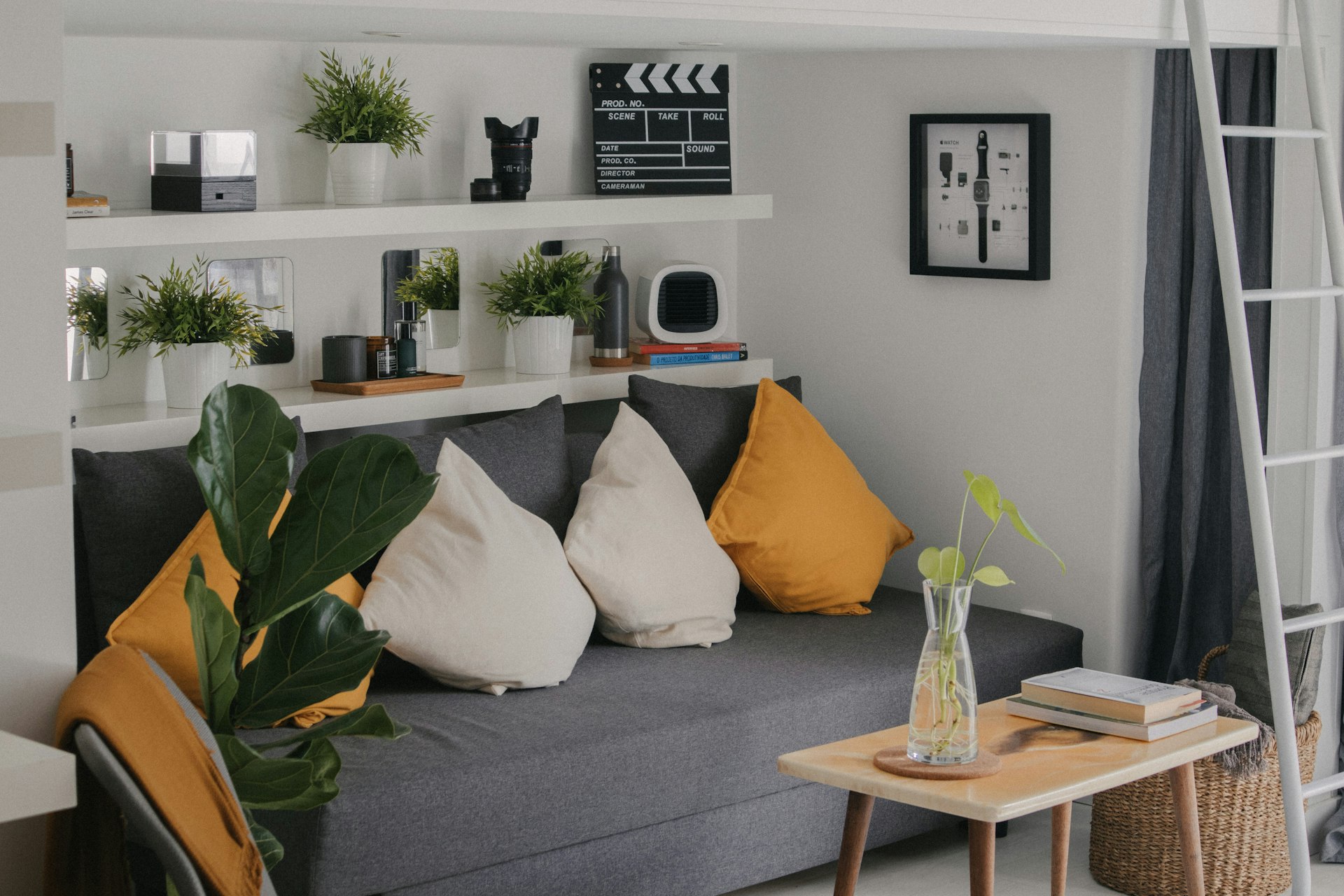
In micro apartments, vertical space is often underutilized, yet it holds enormous potential for storage. Floating shelves are a simple and stylish way to add storage without cluttering the floor. Install them above desks, sofas, or beds to display books, plants, or decorative items. Wall-mounted cabinets are another option, perfect for storing kitchenware, linens, or office supplies. Opt for cabinets with sleek, flat fronts to keep the space looking clean and uncluttered.
Hanging organizers are a great solution for closets and entryways. Over-the-door racks can hold shoes, hats, or cleaning supplies, while hanging closet dividers keep clothing neat and accessible. For those with high ceilings, consider installing floor-to-ceiling shelves or cabinets to maximize storage capacity. The space above door frames is another overlooked area; small shelves or hooks can hold lightweight items like keys, bags, or seasonal decor. Under-stair storage, if available, can be converted into pull-out drawers or cabinets for storing bulky items like suitcases or holiday decorations.
The right use of light and color can make a small space feel much larger than it is. Light, neutral colors like white, soft gray, and pastel blues or greens reflect natural light, brightening the space and creating an open, airy feel. Avoid dark, heavy colors that absorb light and make the room feel cramped. If you prefer bolder colors, use them as accents-for example, a bright throw pillow, a piece of wall art, or a small rug-to add personality without overwhelming the space.
Mirrors are a powerful tool for expanding perceived space. Hang a large mirror opposite a window to reflect natural light and create the illusion of a second window. Smaller mirrors can be placed strategically around the room to bounce light into dark corners. Strategic lighting is also important; combine ambient lighting (like overhead fixtures) with task lighting (like desk lamps or under-cabinet lights) and accent lighting (like string lights or wall sconces) to create layers of light that make the space feel warm and inviting. Avoid harsh, bright lighting that can make the room feel sterile; instead, opt for soft, warm bulbs that create a cozy atmosphere.
In a micro apartment, it’s important to define different functional areas-like living, sleeping, dining, and workspace-without using physical walls. Rugs are a simple and effective way to zone a space. A small rug under the sofa defines the living area, while a larger rug under the dining table marks the dining zone. Curtain dividers are another option; they can be hung from the ceiling to separate the sleeping area from the rest of the room, providing privacy without blocking light.
Furniture placement can also help zone a space. For example, positioning a sofa with its back to the sleeping area creates a visual barrier between the two zones. Using different floor materials, like hardwood for the living area and tile for the kitchen, can also help define different spaces. If you have a high ceiling, consider using a pendant light or a ceiling fan to mark the center of a zone. Zoning helps create a sense of order and organization in a small space, making it easier to transition between different activities.
Minimalism is key in micro living, but that doesn’t mean you have to sacrifice personality. Choose a few meaningful decor items instead of many small ones to avoid cluttering the space. A large piece of wall art, a potted plant, or a decorative tray can add personality without taking up too much space. Avoid knick-knacks and small decorative items that can make the space feel cluttered; instead, focus on items that have sentimental value or serve a functional purpose.
Plants are a great addition to any micro apartment; they add life and color to the space, and many varieties thrive in small, indoor environments. Opt for hanging plants or small potted plants that can be placed on shelves or windowsills. Decorative trays are another useful item; they can group together items like remote controls, candles, or books, keeping surfaces clean and organized. When selecting decor, prioritize items that are lightweight and easy to move; this makes it easier to rearrange the space as needed.
Micro kitchens often lack counter space and storage, but there are several hacks to maximize their functionality. Compact appliances like countertop ovens, induction cooktops, and mini-fridges are perfect for small kitchens. They take up less space than full-sized appliances and are just as functional. Pull-out pantry shelves are a great way to add storage; they make it easy to access items stored at the back of the pantry. Magnetic knife strips can be mounted on the wall to free up counter space, while hanging pot racks can hold pots and pans above the stove or island.
Under-cabinet lighting is another useful hack; it brightens the workspace and makes it easier to see what you’re doing. Use stackable containers to store dry goods like flour, rice, or pasta; they take up less space than traditional containers and keep the pantry organized. For those who love to cook, a small rolling cart can be used as a portable prep station or extra storage. When not in use, it can be tucked away in a corner or under the counter.
Micro bathrooms can feel cramped, but there are several ways to maximize space. Wall-mounted sinks and floating vanities free up floor space, making the bathroom feel larger. Over-the-toilet storage shelves or cabinets are a great way to add storage for towels, toiletries, or cleaning supplies. Shower caddies can be hung from the shower head or mounted on the wall to hold shampoo, conditioner, and soap.

Foldable shower seats are a useful addition for those who need extra space to sit while bathing or shaving. Glass shower doors instead of curtains make the bathroom feel more open and airy. Use small, compact toiletries to save space; many brands offer travel-sized versions of their products that are perfect for micro bathrooms. When decorating the bathroom, opt for light colors and minimal decor to keep the space feeling clean and uncluttered.
Micro apartment living requires creativity and intentionality, but it can also be incredibly rewarding. By using multi-functional furniture, vertical storage, light and color tricks, zoning techniques, and minimalist decor, you can transform a small space into a comfortable, functional home that reflects your personal style. Whether you’re a student, a young professional, or someone who prefers a simpler lifestyle, these strategies can help you make the most of your micro apartment and enjoy every inch of your space.
MORE FROM hotondeals.com