
Wellness
Understanding the Link Between Bodily Rhythms and Daily Tension Regulation

Heart rate variability refers to the variation in time between consecutive heartbeats. Unlike a steady, metronome-like heartbeat, a healthy heart adjusts its rhythm constantly in response to internal and external stimuli. For example, when you take a slow, deep breath, your heart rate slows slightly, and when you feel startled or excited, it speeds up. This dynamic flexibility is a key sign of a well-functioning autonomic nervous system, the network of nerves that controls involuntary bodily functions such as breathing, digestion, and heart rate.

The autonomic nervous system has two main branches: the sympathetic nervous system, which triggers the “fight or flight” response during times of stress, and the parasympathetic nervous system, which promotes the “rest and digest” state that allows the body to recover and recharge. Heart rate variability (HRV) is a direct marker of how well these two branches balance each other. A high HRV indicates that the body can smoothly switch between these states, while a low HRV suggests that the sympathetic nervous system is dominant, often due to chronic stress.
Chronic stress is a pervasive issue in modern life, driven by factors such as work pressure, financial concerns, and social obligations. When the body is exposed to prolonged stress, the sympathetic nervous system remains activated for extended periods, which can gradually reduce HRV over time. This constant state of “fight or flight” means the heart doesn’t get the chance to slow down and recover, leading to a less variable heartbeat. Over months or years, this can contribute to a range of health problems, including high blood pressure, anxiety, depression, and a weakened immune system.
Research conducted by various medical institutions has shown that individuals with higher HRV tend to cope better with stressors. They are more likely to bounce back from challenging situations, experience lower levels of anxiety and irritability, and have a reduced risk of stress-related illnesses. Conversely, those with lower HRV may find it harder to regulate their emotions, may feel overwhelmed more easily, and may be more prone to developing chronic health conditions linked to stress.
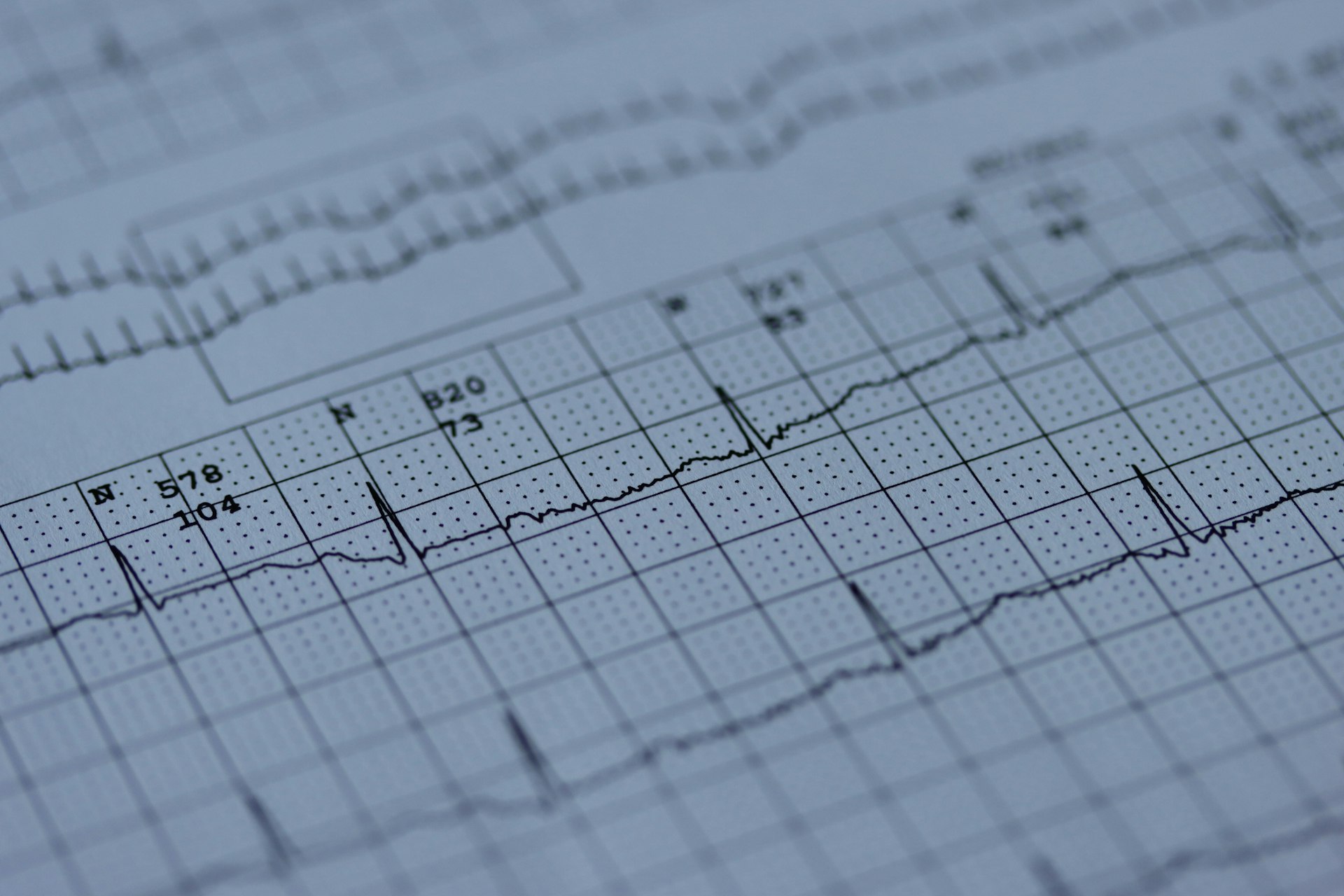
Traditionally, HRV was measured using electrocardiograms (ECGs) in clinical settings, which provide highly accurate readings of heart rhythm. However, advances in technology have made HRV monitoring accessible to the general public. Many fitness trackers, smartwatches, and mobile apps now include HRV monitoring features, using photoplethysmography (PPG) to detect changes in blood flow through the wrist or finger and calculate the time between heartbeats.
While consumer devices are not as accurate as clinical ECGs, they can provide a useful overview of HRV trends over time. For more precise measurements, individuals can use chest strap monitors, which tend to be more reliable than wrist-based devices because they are closer to the heart. It’s important to note that HRV can vary throughout the day, so it’s best to measure it at the same time each day-such as first thing in the morning, before getting out of bed-to get consistent results.
There are several proven strategies to increase HRV and reduce stress, all of which focus on activating the parasympathetic nervous system and promoting overall well-being. These practices can be easily incorporated into daily life:
While HRV is a useful marker of stress resilience, it’s important to remember that it’s not a definitive measure of overall health. Many factors can affect HRV, including age, gender, fitness level, and certain medications. For example, older adults tend to have lower HRV than younger individuals, and some medications-such as beta-blockers, which are used to treat high blood pressure-can reduce HRV as a side effect.
It’s also important to avoid obsessing over daily HRV readings. Instead, focus on long-term trends. If you notice a consistent decrease in HRV over several weeks, it may be a sign that you need to adjust your stress management strategies or consult a healthcare provider. Additionally, HRV should be used in conjunction with other health markers, such as blood pressure, sleep quality, and emotional well-being, to get a comprehensive picture of your health.
Understanding the link between heart rate variability and stress management can empower individuals to take a more proactive approach to their well-being. By incorporating evidence-based strategies to boost HRV, you can improve your stress resilience, enhance your emotional regulation, and reduce your risk of stress-related illnesses. Remember, small, consistent changes can make a big difference over time-even five minutes of deep breathing or meditation each day can have a positive impact on your HRV and overall health.
If you’re interested in learning more about HRV and stress management, consider consulting a healthcare provider or a certified wellness coach who can provide personalized guidance based on your individual needs and health status. They can help you develop a tailored plan to improve your HRV, manage stress effectively, and achieve optimal well-being.
MORE FROM hotondeals.com