site-logo Site Logo

Smart DIY Lawn Care: How Often Should You Dethatch Your Lawn?

Article avatar image

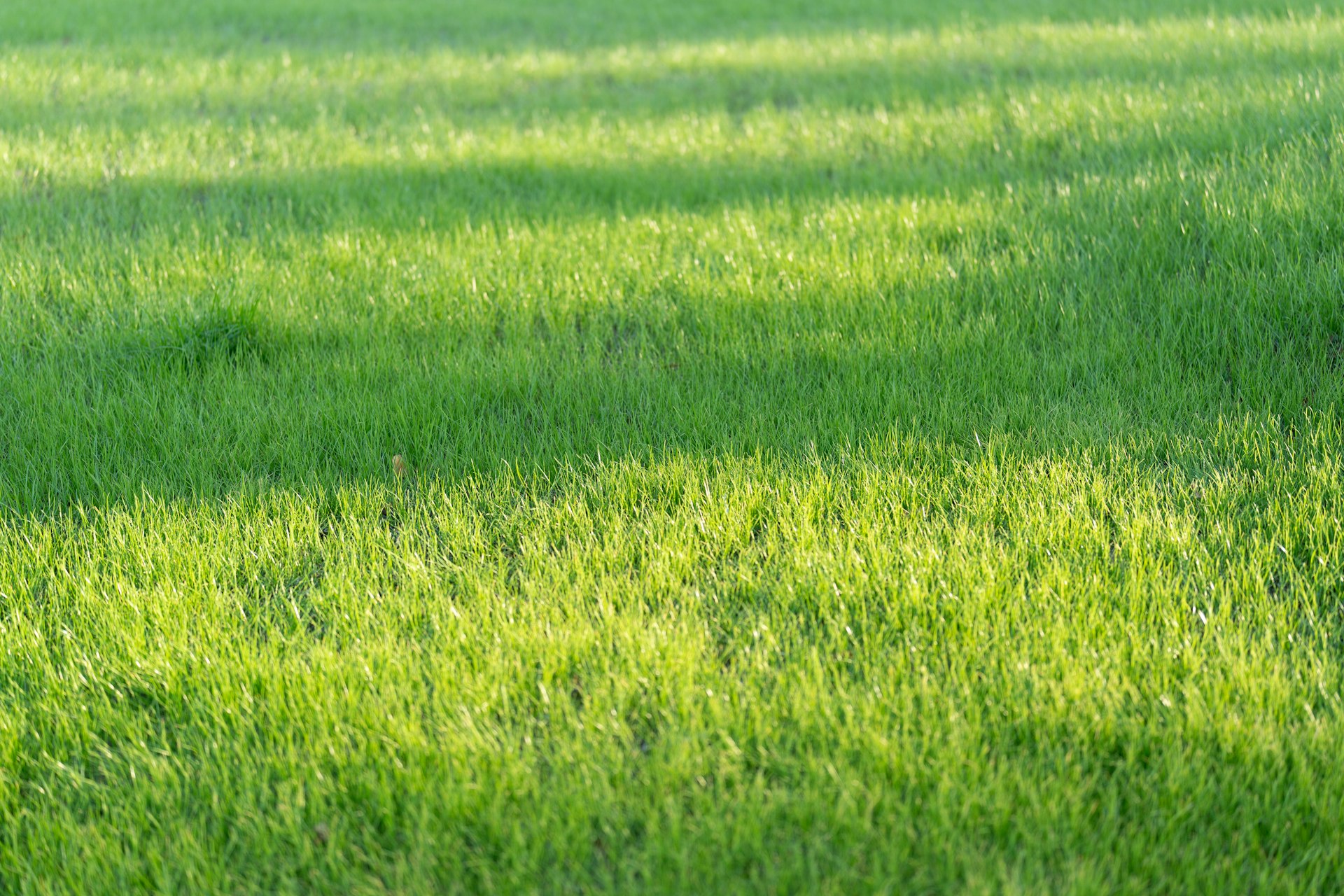
Photo by Fubukina on Unsplash

Understanding Lawn Thatch and Its Impact

Thatch is a layer of dead grass, roots, and organic debris that collects between the soil surface and the green blades of your lawn. While a thin thatch layer (less than 1 inch) offers benefits such as moisture retention and protection from temperature extremes, excess thatch can block water, nutrients, and air from reaching your soil-making your lawn susceptible to disease, pests, and weak growth. Recognizing when to dethatch is crucial for lawn health. [1]

How Often Should You Dethatch?

The frequency of dethatching depends on several variables including grass type, climate, soil composition, and lawn care practices. According to a survey of 160 homeowners, the majority (44.3%) dethatch
only when their lawn needs it
. About 29.3% perform dethatching once per year, and a mere 3.1% do so twice a year or more. [1] Experts recommend dethatching every 1-3 years for most lawns, but the best approach is to monitor thatch depth regularly and act when it exceeds half an inch. [2]

Grass Types and Dethatching Needs

  • Cool-season grasses (e.g., Kentucky Bluegrass, Creeping Bentgrass): Often require annual dethatching, especially after a growing season. [3]
  • Warm-season grasses (e.g., Bermudagrass, Zoysia): May need more frequent attention due to rapid growth and thicker thatch buildup. [3]
  • Perennial ryegrass and tall fescue : Rarely need dethatching as they produce minimal thatch. [3]

Influencing Factors

  • Soil Type : Clay soils tend to develop thatch more rapidly due to slower decomposition of organic matter.
  • Climate : Humid climates promote faster grass growth and higher thatch accumulation. [1]
  • Lawn Care Practices : Over-fertilization, frequent watering, and shallow mowing can accelerate thatch buildup.

DIY Dethatching: Step-by-Step Instructions

Taking a hands-on approach to dethatching your lawn can be rewarding and cost-effective. Here’s how to do it safely and effectively:

Step 1: Assess Thatch Depth

Use a garden trowel or spade to dig up a small wedge of your lawn. Measure the thatch layer. If it’s over half an inch, your lawn is ready for dethatching. [4]

Step 2: Choose the Right Tool

  • Manual dethatching rake : Best for small lawns and light thatch.
  • Power dethatcher (verticutter) : Suitable for larger areas or dense thatch. Exercise caution to avoid damaging grass roots. [2]
  • Lawn aerator : Useful for mild thatch buildup and can improve soil health.

Step 3: Prepare the Lawn

Mow your lawn to about half its usual height to expose the thatch layer. This makes it easier for your dethatching tool to work effectively. [2]

Step 4: Dethatch Carefully

Work methodically across the lawn. For manual rakes, apply firm but controlled pressure. For powered equipment, set the blades to penetrate just the thatch layer-avoid going too deep to prevent root damage.

Step 5: Remove Debris

Rake up and dispose of all loosened thatch. Leaving dead organic matter on the lawn can impede recovery and foster new thatch buildup. [2]

Step 6: Restore and Maintain

Water your lawn thoroughly after dethatching to help it recover. Apply a slow-release fertilizer to encourage new growth and root development. Avoid heavy foot traffic while the lawn heals.

Timing: When to Dethatch

Optimal dethatching coincides with active growth periods for your grass type. For cool-season grasses , late summer to early fall is ideal. For warm-season grasses , late spring to early summer works best. Dethatching during extreme heat, cold, or dormancy can stress your lawn and slow recovery. [3]

Common Mistakes to Avoid

  • Dethatching too often-once every 1-3 years is sufficient for most lawns.
  • Performing dethatching during extreme weather conditions.
  • Neglecting post-dethatching care, such as watering and fertilizing.

Challenges and Solutions

  • Damage Risk : Power dethatchers can harm grass if set too deep. To avoid this, always check manufacturer guidelines and test on a small section first.
  • Thatch Removal Difficulty : For very thick thatch (>1 inch), gradual removal over 2-3 years is recommended to minimize stress on the lawn. [3]
  • Recovery Issues : Lawns may look ragged post-dethatching. Consistent watering and fertilization help speed up recovery.

Alternative Approaches

  • Lawn Aeration : Aerating the lawn can help break up mild thatch and improve root health.
  • Biological Treatments : Products with beneficial microorganisms may accelerate thatch decomposition, reducing the need for mechanical dethatching.
  • Consulting Professionals : For large lawns or severe thatch, hiring a professional lawn care service can ensure safe, effective dethatching. You can find local services by searching ‘lawn dethatching service’ plus your city or by consulting national providers through their official websites.

Key Takeaways and Maintenance Tips

  • Monitor your lawn’s thatch layer annually using a trowel.
  • Dethatch only when needed, typically every 1-3 years.
  • Tailor dethatching timing and frequency to grass type and local climate.
  • Follow up with proper watering and fertilization for optimal recovery.
  • Consider alternative methods for mild thatch issues or consult professionals for severe cases.

How to Access Dethatching Services or Tools

For homeowners wishing to rent dethatching equipment or hire professionals, check with established retailers like Lowe’s, Home Depot, or local garden centers. Always verify the business and location before renting or purchasing. For DIY projects, purchase manual dethatching rakes or aerators through reputable suppliers. If you seek expert advice or service, search for ‘certified lawn care professionals’ in your area, and review their credentials and customer feedback before committing.

Article related image

Photo by kian zhang on Unsplash

References

Understanding RLJ Entertainment on Roku: Ownership, Access, and Opportunities
Understanding Edith Bunker's Age in All in the Family: Facts, Context, and Cultural Impact
Who Owns Gaylord Entertainment? A Deep Dive into Ryman Hospitality Properties and Its Evolving Legacy
DIY Guide: How to Color Concrete for Stunning, Customized Results
DIY Guide: Safely Testing Your Popcorn Ceiling for Asbestos at Home
Smart DIY Lawn Care: How Often Should You Dethatch Your Lawn?
Transform Your Wellbeing: Actionable Strategies for Better Posture Every Day
Transform Your Day: Proven Morning Rituals for Lasting Energy
Transform Your Well-being: Practical Mindfulness and Stress Reduction Techniques for Everyday Life
Transform Your Life: Practical Strategies for Embracing Slow Living and Mindfulness
Biotechnology's Transformative Impact on the Future of Food Production
Unlocking Healthy Aging: The Evidence-Based Benefits of Tai Chi for Older Adults